From a hillside above Shilong, an old Bai village in Yunnan Province, the newest Linden Center looks across tiled roofs and cultivated fields toward a quiet lake. Its rammed-earth walls rise from the slope in nearly the same muted tones as the land around them.
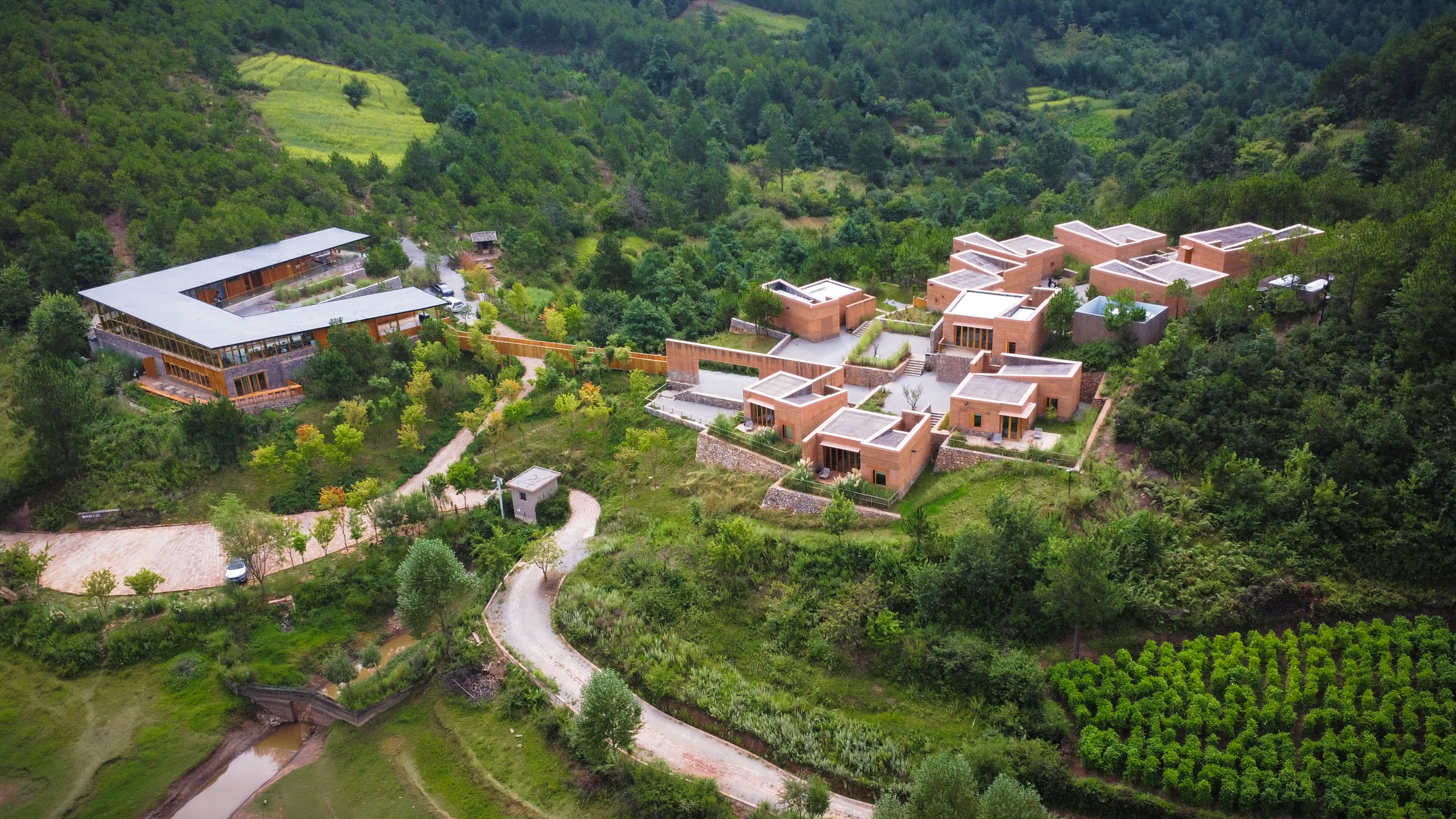
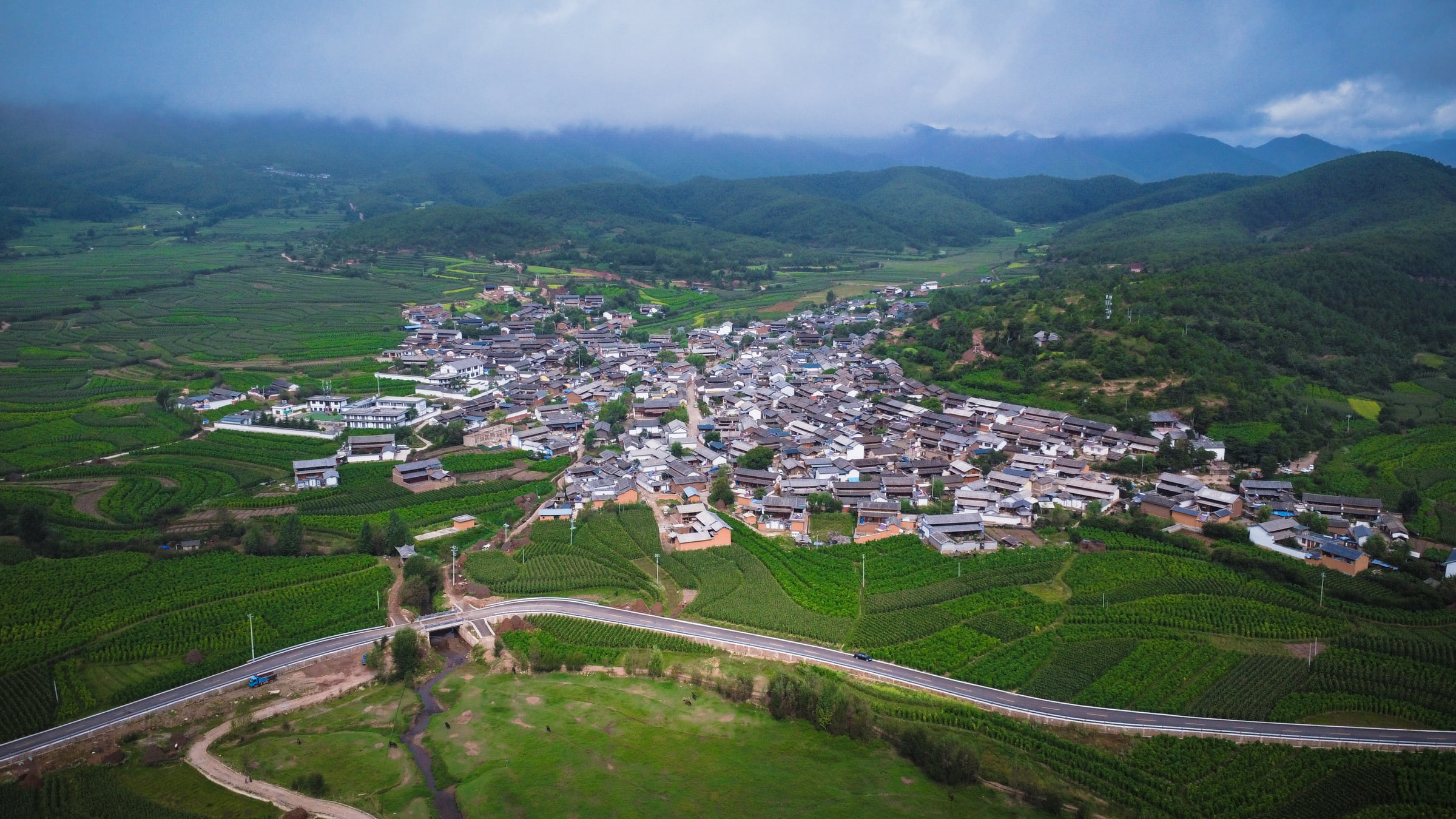
The hotel, which opened in Shaxi in 2021, is Brian Linden's third project in Yunnan. Like the others, it was conceived as more than a place to stay. Guests are taken into nearby villages to hear folk songs, watch traditional dances, and meet local woodcarvers. Linden calls it a platform for exchange.
“We want foreigners to view China differently,” he said, “not solely through economic opportunities.”
Linden's own encounter with China began with a blank spot on a map.
In the early nineteen-eighties, he was cleaning carpets in Chicago when a University of Chicago professor, recently returned from China, asked him to mark the country with a red flag. Linden did not know where to put it. Intrigued, he applied for a Chinese-government scholarship and arrived in Beijing in 1984 as an international student.
On his third day in the city, while exercising outdoors, he was approached by a film director and invited to appear in a Chinese movie. It was the first of several improbable turns. Linden later met his wife in Nanjing, studied at Stanford, and worked on educational projects around the world. He traveled widely, but often found that people's understanding of China remained narrow, shaped by politics, economics, and distant impressions.
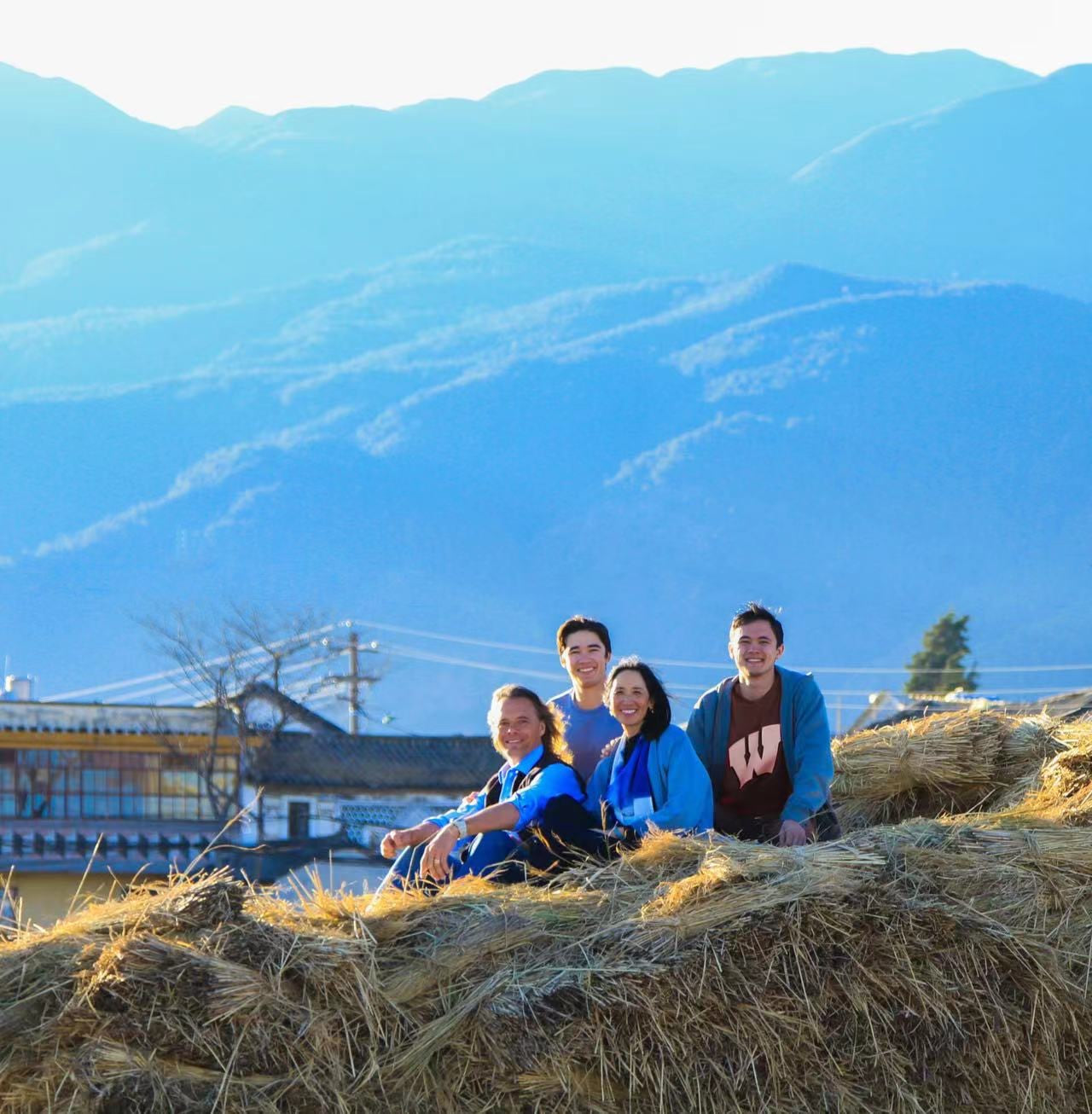
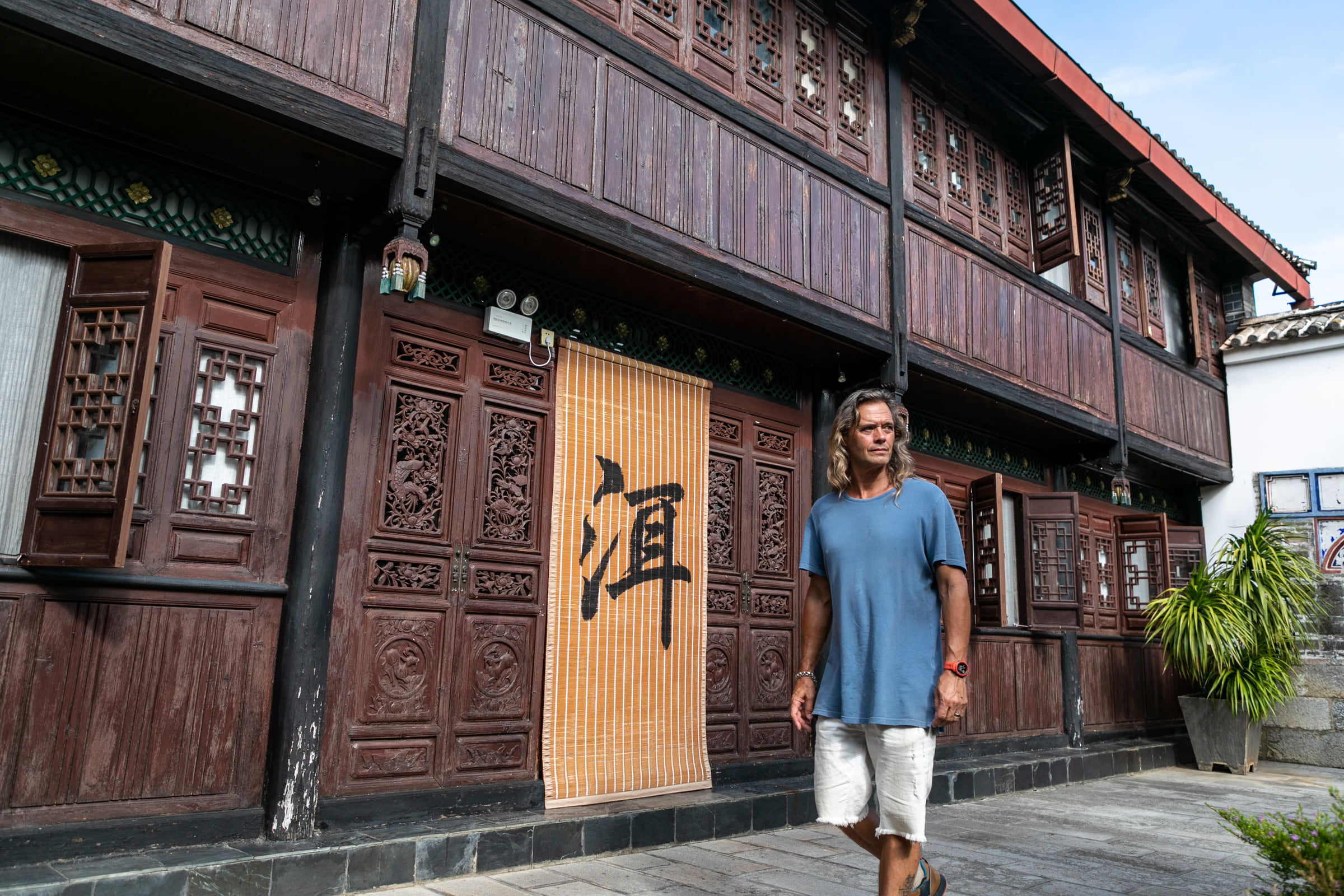
In 2003, Linden returned with his wife and their two young sons.
For several years, the family traveled through China in search of a place where architecture, education, and village life might come together. They found it in Xizhou, an old town between Cangshan Mountain and Erhai Lake.
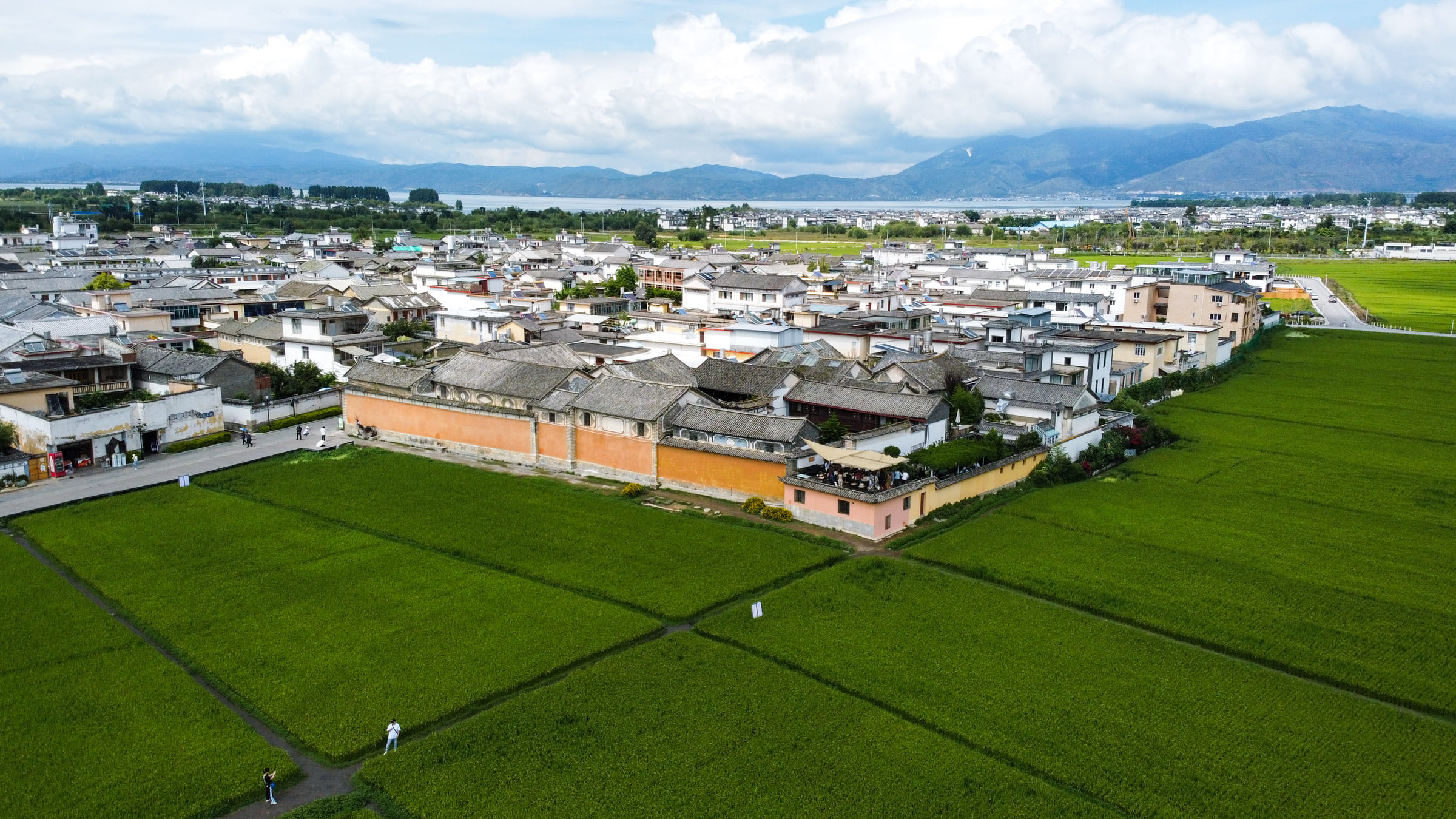
There, in 2007, Linden entered a traditional Bai courtyard residence, with whitewashed walls, painted ornamentation, and rooms arranged around an enclosed courtyard. He remembers feeling almost immediately that he had found a home.
With support from the local government, Linden and his team restored the residence and opened the first Linden Center in 2008. Local residents were hired to manage the hotel and introduce visitors to the area's traditions.

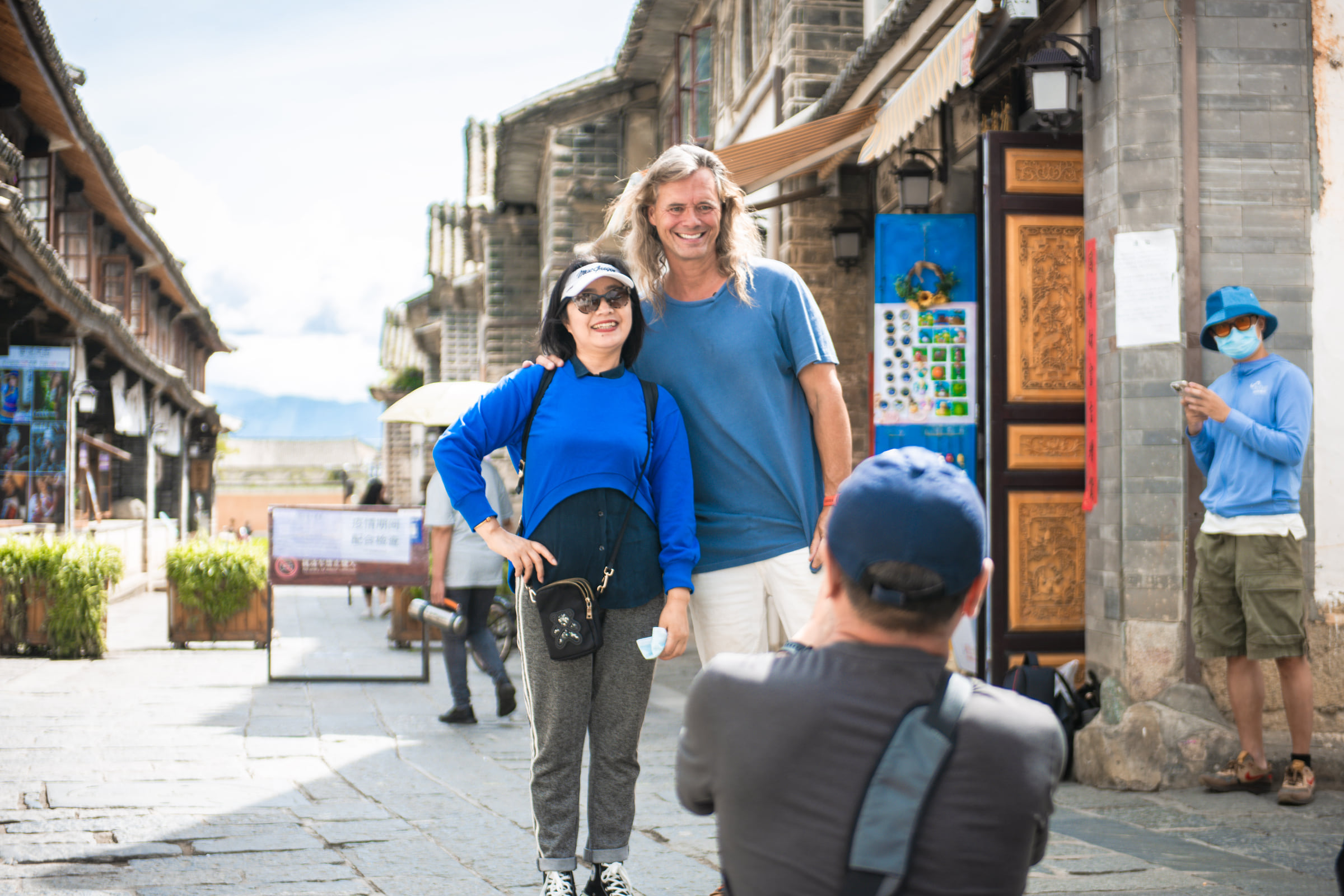
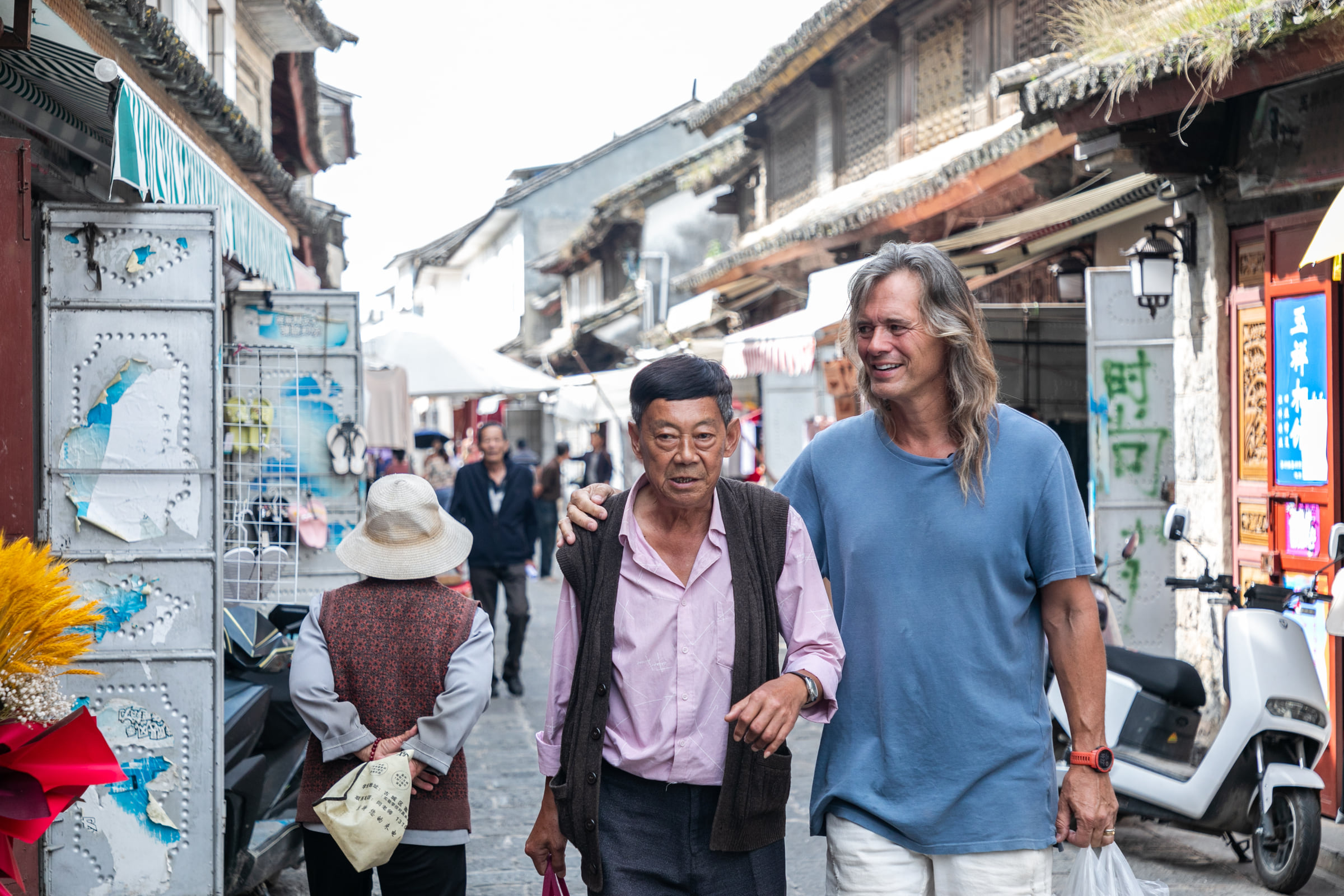
The center became known not only for its architecture but for the access it offered to life beyond the compound: meals in the courtyard, conversations with villagers, and visits to workshops, temples, and markets. It presented a China far removed from the skylines of Beijing and Shanghai. Before long, Linden said, local residents had given him a nickname: “Village Head Linden.”
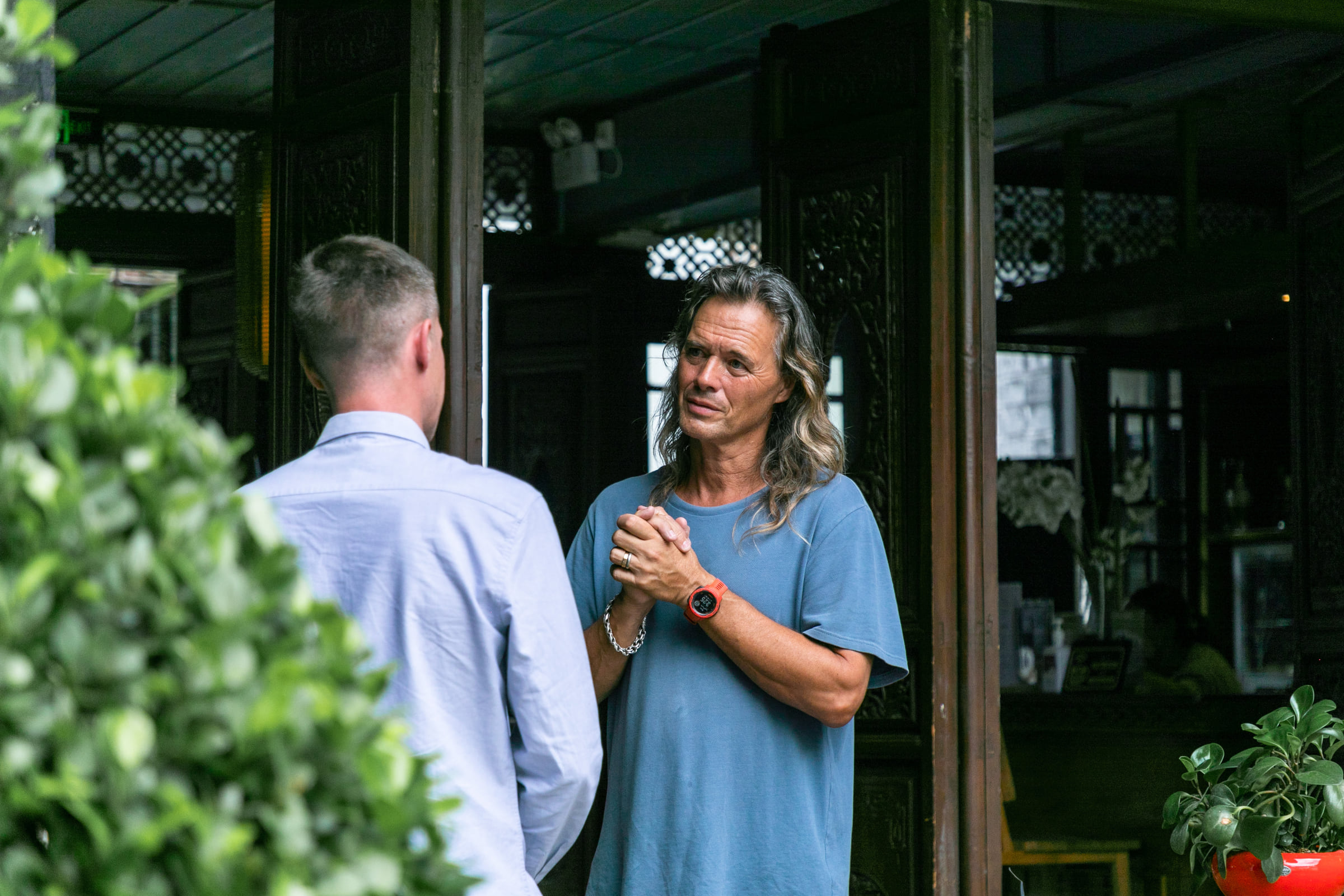

His ambitions extended beyond tourism. In 2012, the center began hosting short residential programs for schools and universities. Students studied history and culture not only in classrooms but in village homes and local workshops.
Linden describes his projects as social enterprises. He has avoided private investment, preferring a model in which historic buildings are restored, local residents find work, and visitors participate in community life rather than simply observing it.
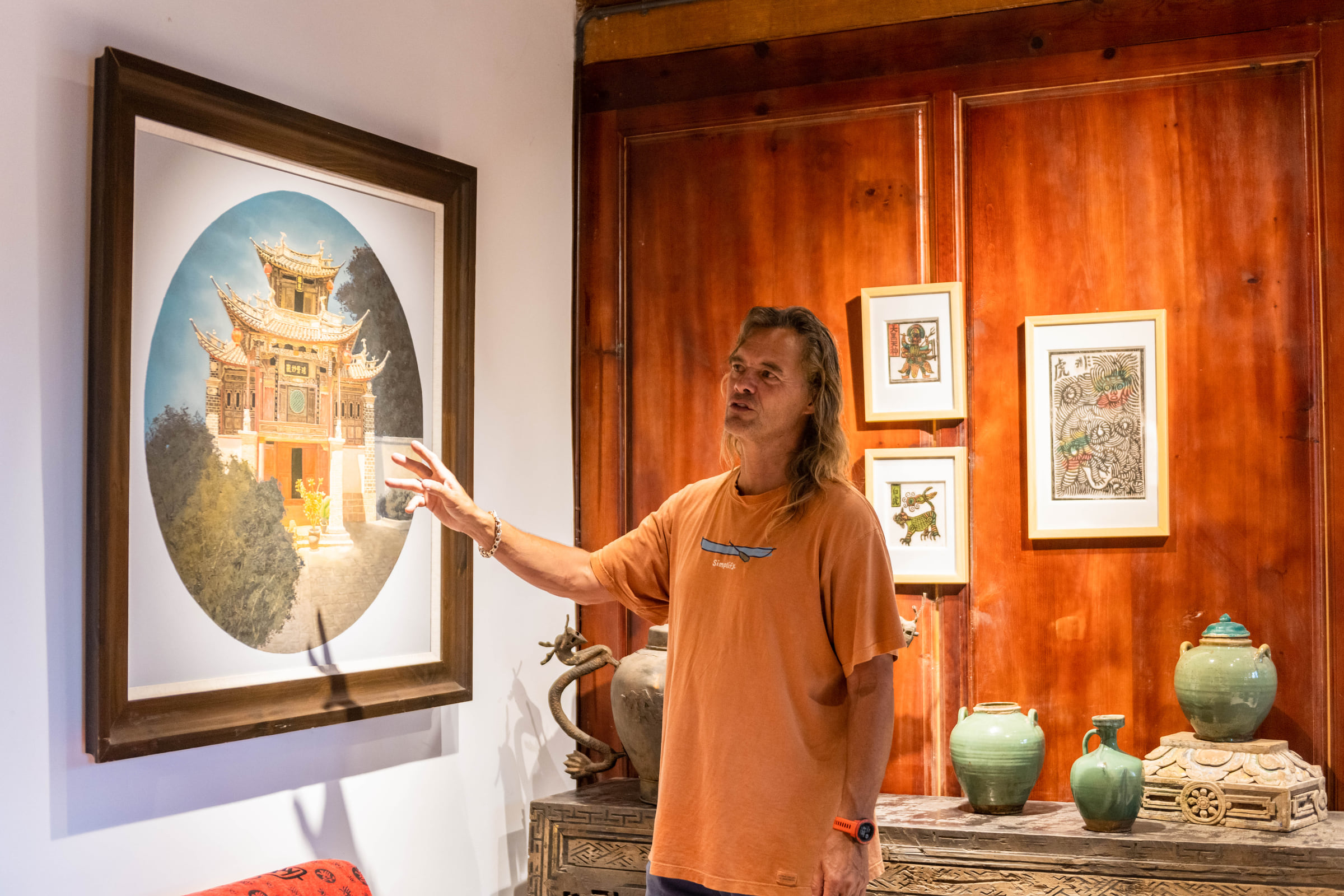
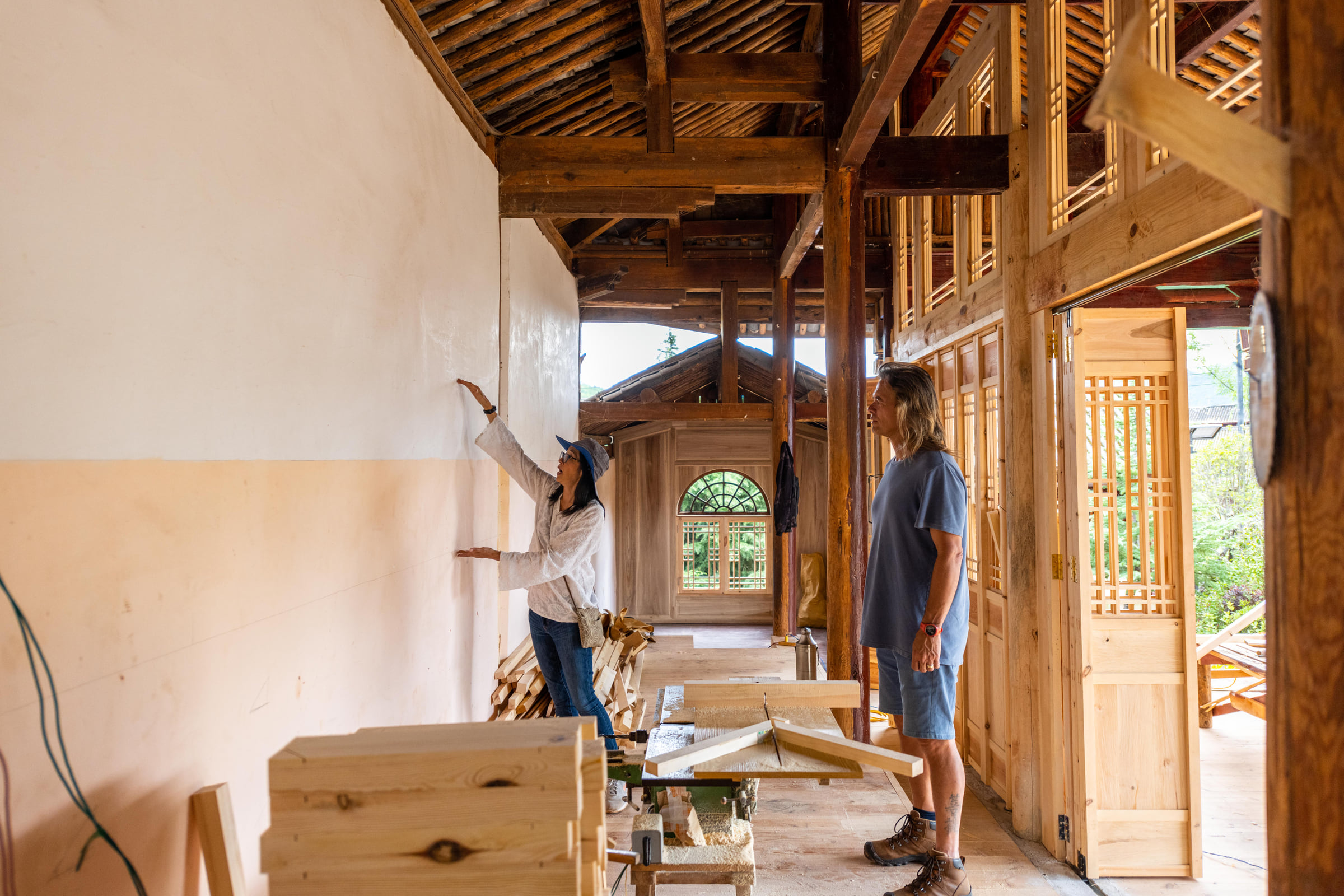
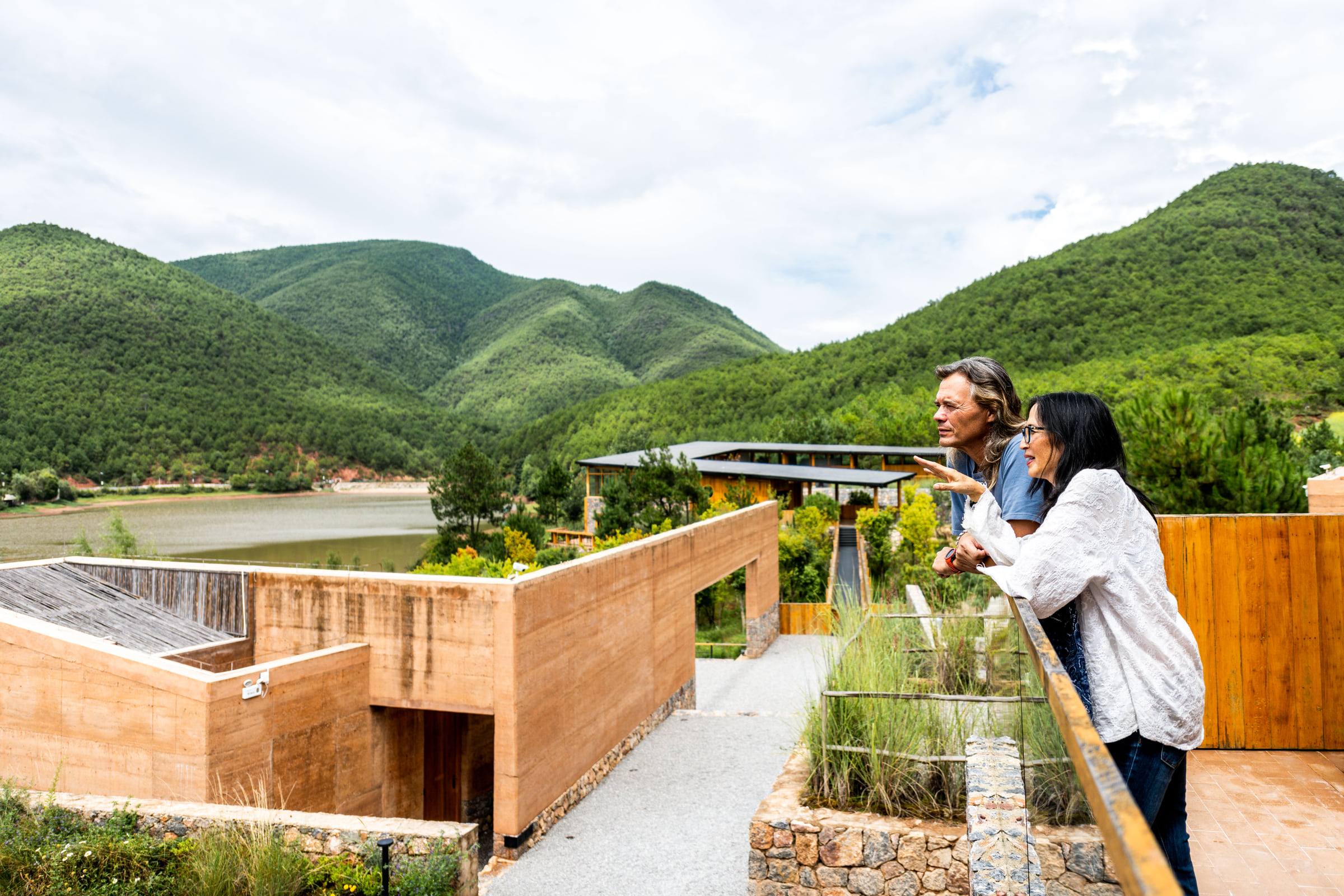
The Shaxi property carries that idea into a more contemporary form. Designed by Mou Yujiang, a graduate of the University of California, Berkeley, and now the center's chief executive, it was built from rammed earth, a material long used in nearby Bai homes. The design later received an American Architecture Award.
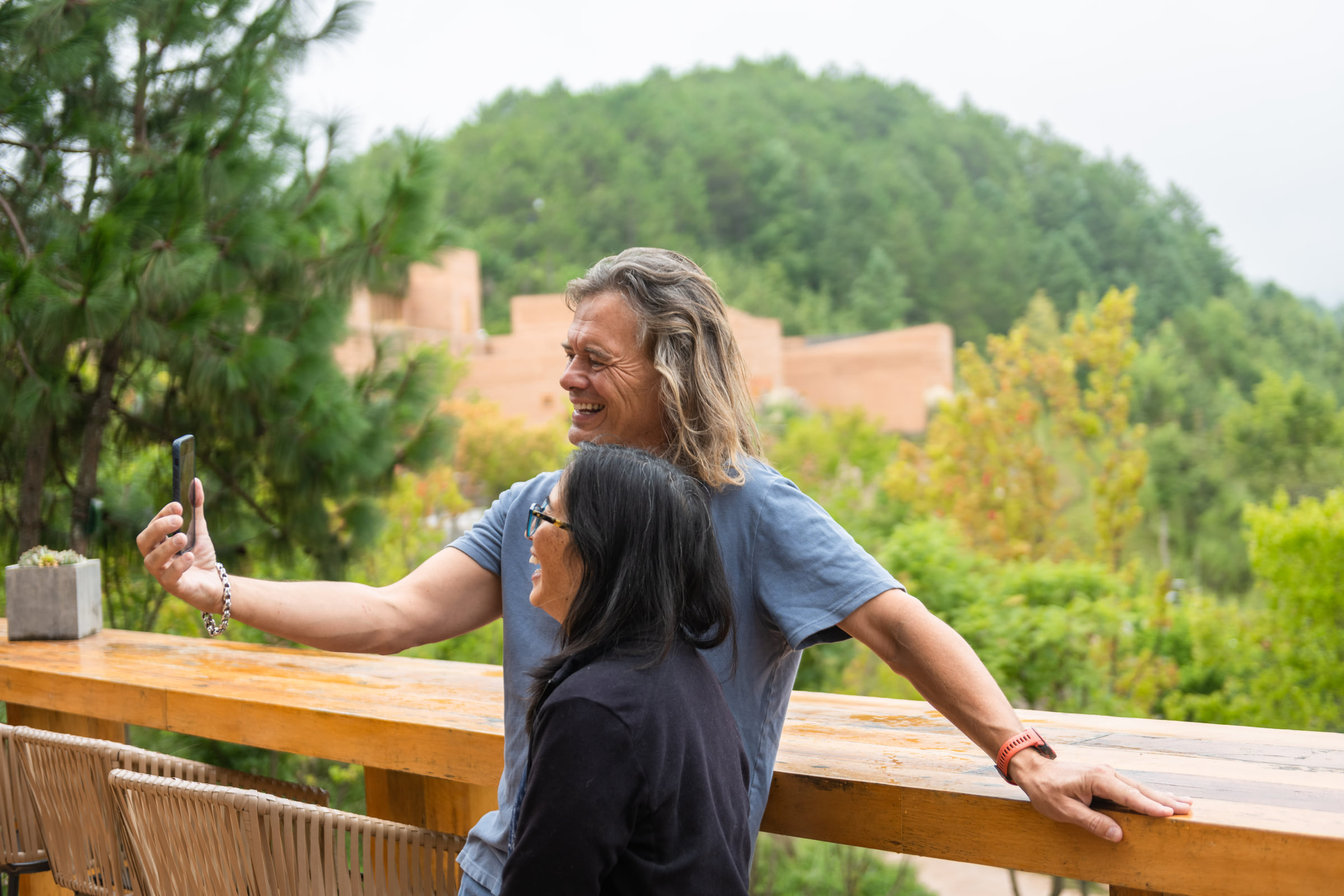
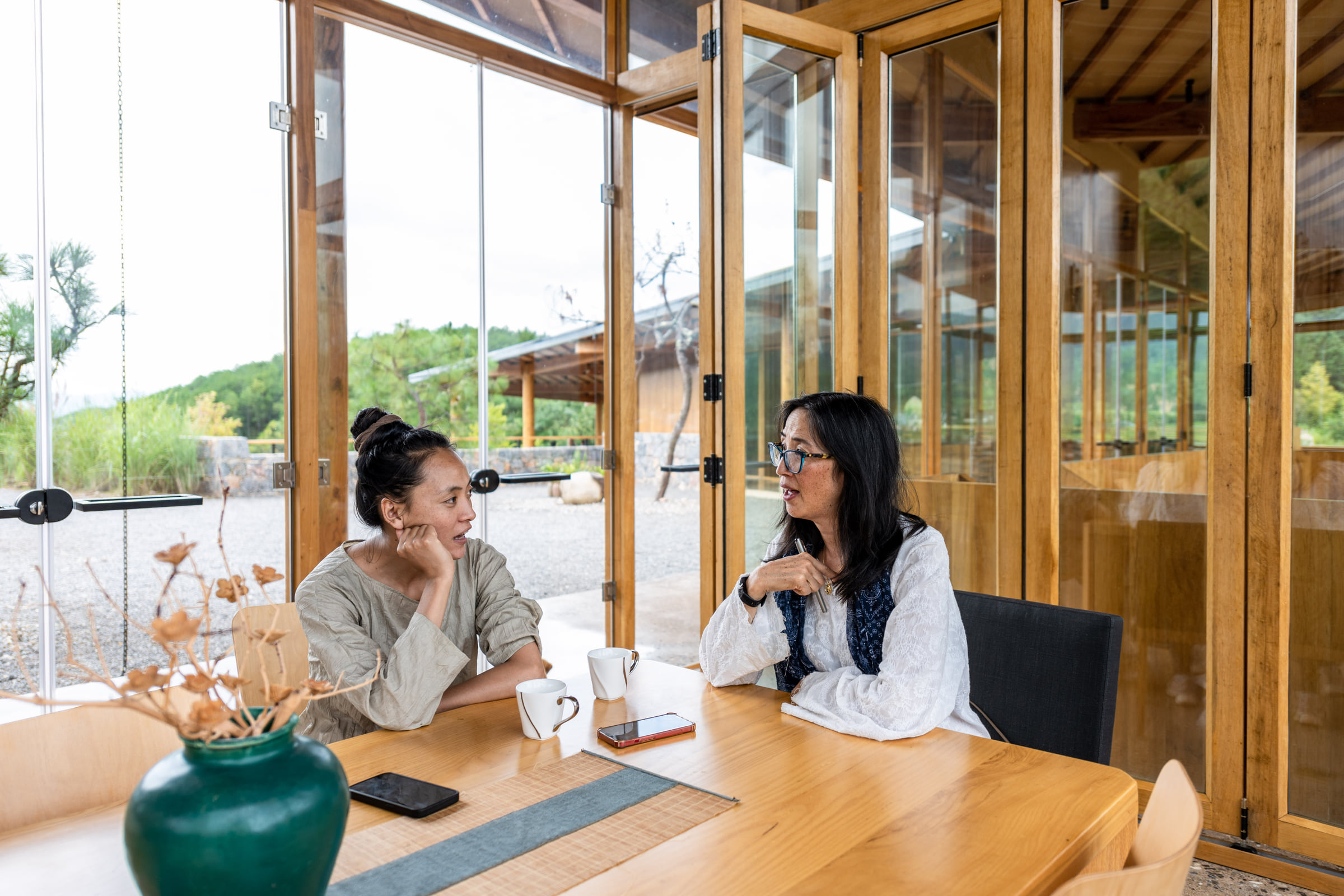
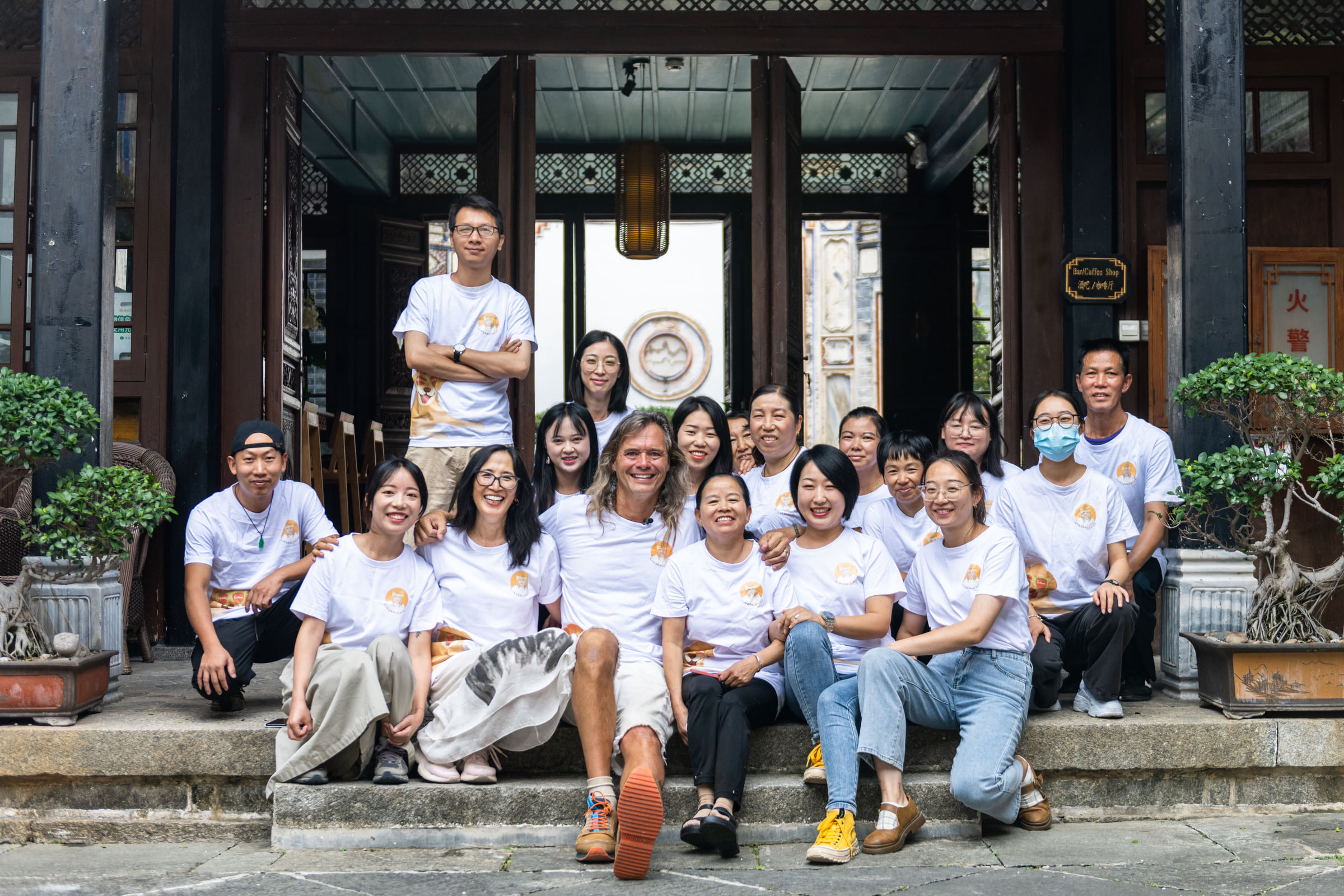
At the center, Yang Lyu, a Bai resident, regularly leads guests into Shilong Village. He introduces them to local music, dance, and woodcarving, but also to neighbors, family histories, and the routines of daily life. The boundary between hotel employee, guide, and neighbor begins to disappear.
For Linden, that is the point.
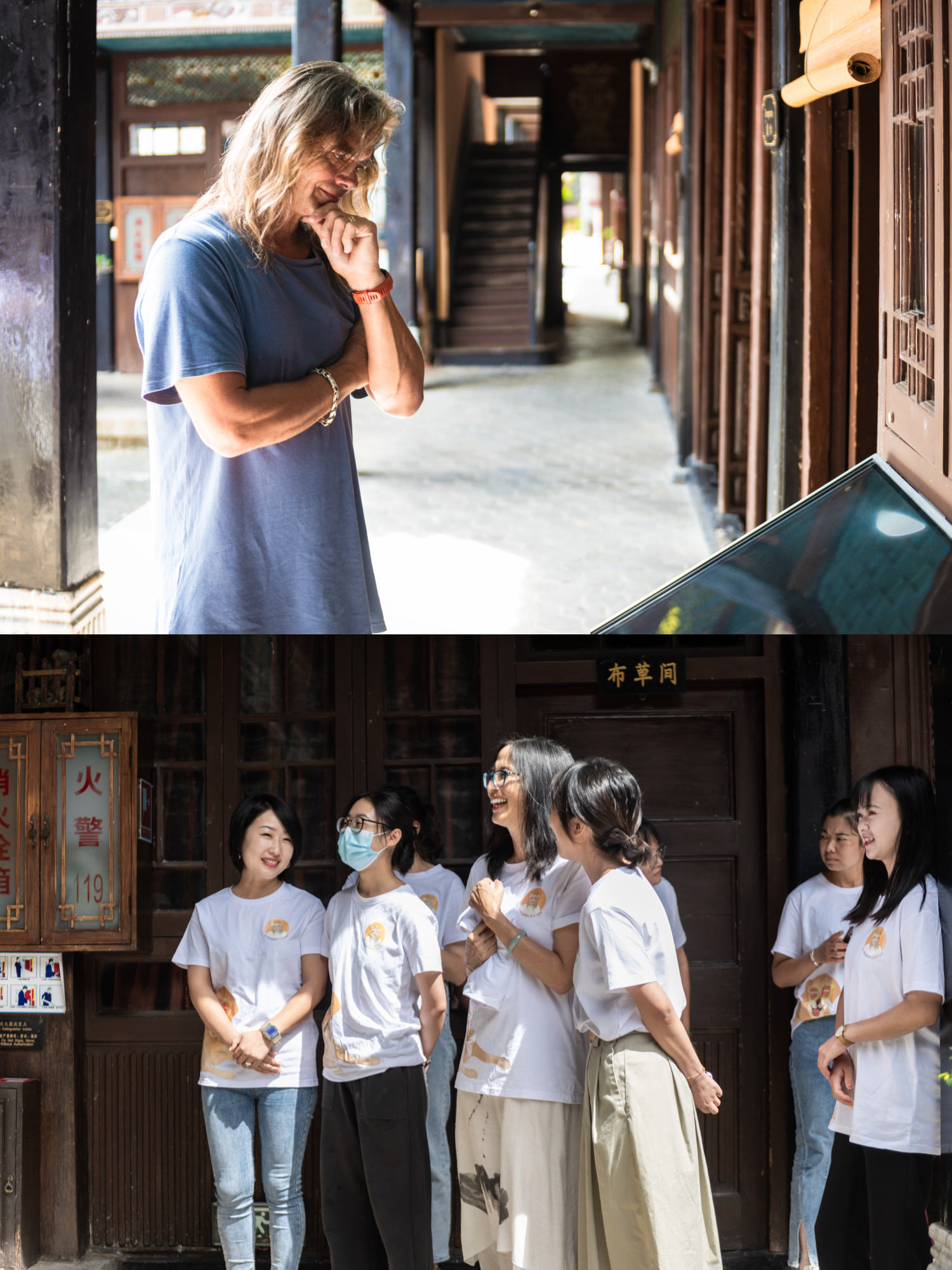
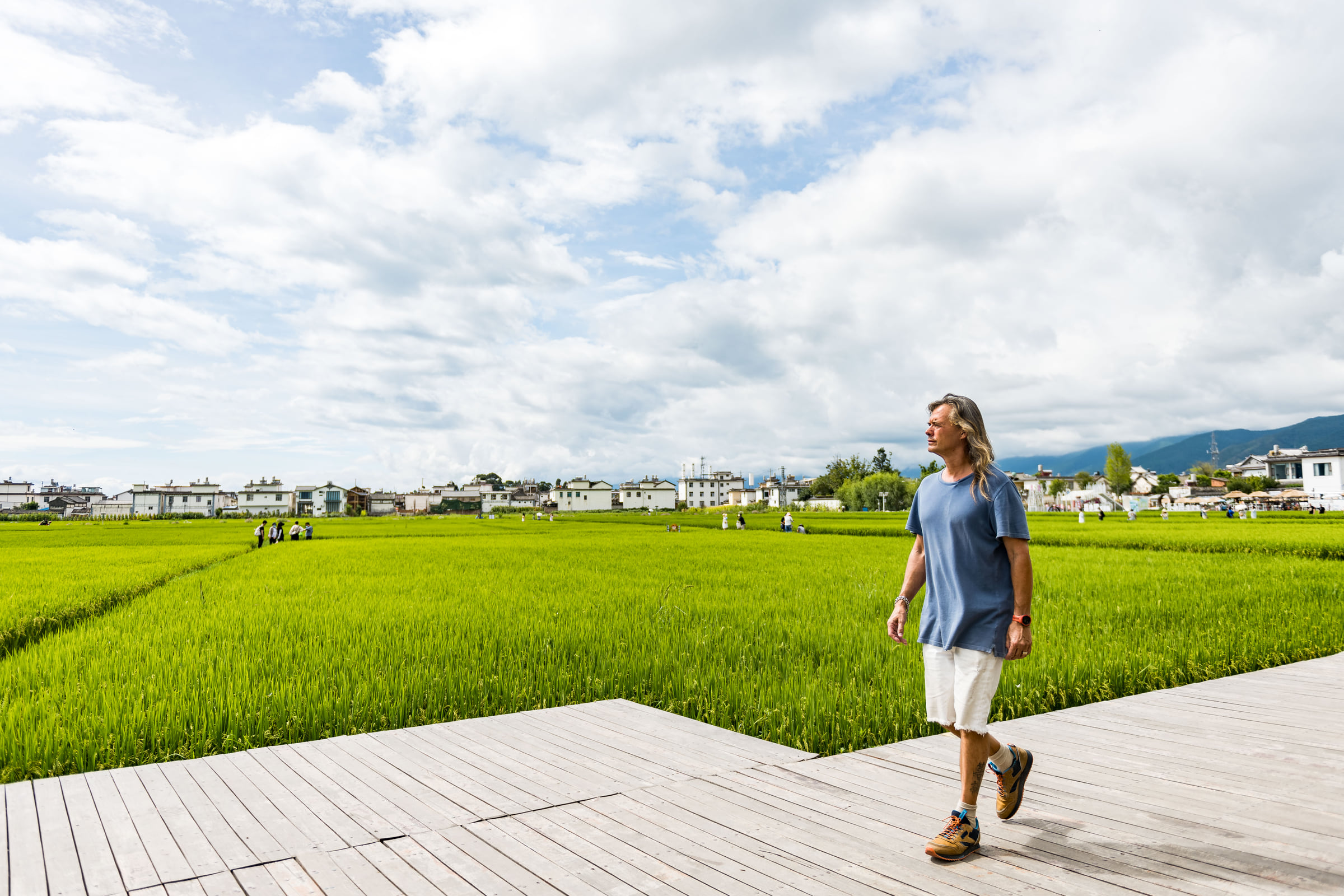
Looking back on the years since Xizhou, he speaks less about the hotels themselves than about the villages around them: the old homes that have survived, the young people able to find work nearby, and the roads and railways drawing once-remote communities closer to the rest of the country.
“When you see small villages connected to the rest of China by high-speed railways and new highways, how can you not be optimistic?”
From the terrace in Shaxi, Shilong appears both old and thoroughly alive. The Linden Center stands above it, neither sealed off from the village nor designed merely to imitate it. It is a place from which to look outward—and, Linden hopes, to look again.